
Want to listen to this blog post instead? click here for audio version
Intention is a word I love — and I use it very intentionally.
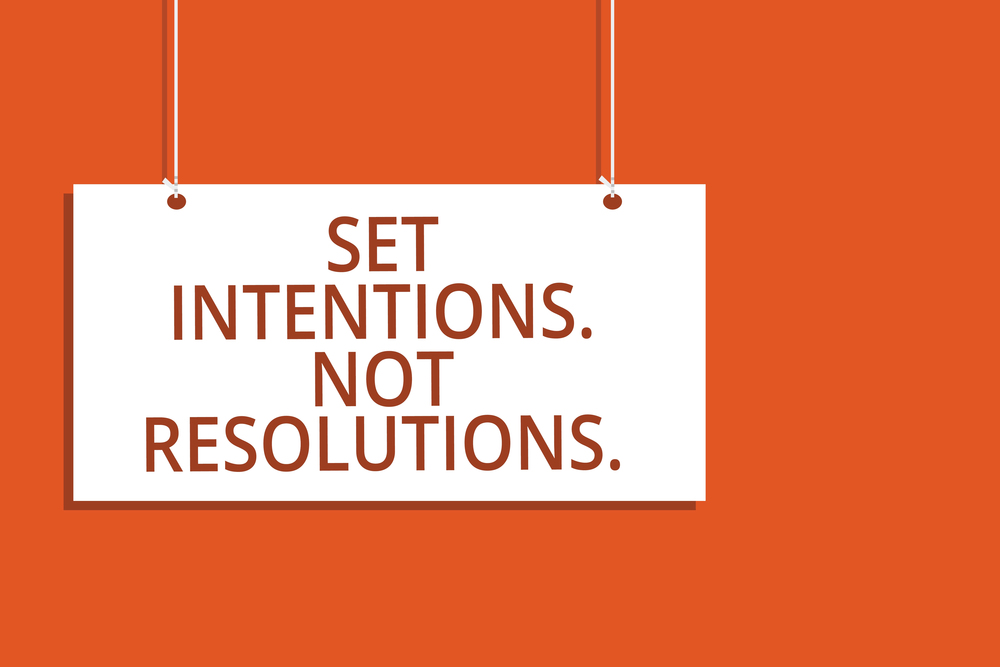
Over the years, I’ve completely removed the word goals from my vocabulary. Not because goals are bad, but because I’ve learned there’s a meaningful difference between setting goals and setting intentions.
Goals often live on paper.
Intentions begin in the heart and the mind.
Goals require discipline and follow-through — and if we’re honest, that’s where many of us struggle. We write them down with the best intentions, reset them when we fall short, and eventually feel exhausted by the cycle of striving. At some point, many of us quietly give up.
Intentions, on the other hand, move differently.
When something becomes an intention, it settles deeper. It becomes part of who we are — and once that happens, the follow-through feels more natural, less forced.
That’s why every new year, I focus on setting intentions rather than simply making goals. Because goals without intention often fade, but intentions rooted deeply tend to carry us forward.
But here’s the twist I want to offer you today:
Even good intentions can fall by the wayside — unless they are rooted in God.
When I align my intentions with God, something shifts. I feel grounded. Focused. Less anxious about outcomes. It’s almost like gaining an instant accountability partner — one who guides with wisdom rather than pressure.
Proverbs 16:3 tells us, “Commit your work to the Lord, and your plans will be established.”
I can’t think of a higher commitment than that.
To commit our intentions to God means aligning our actions with His will through faith — trusting that His guidance will bring clarity and wisdom, even when outcomes don’t unfold exactly as we imagined. This verse is one of my favorites, in both business and life, and it’s a powerful one to hold as a memory verse.
God doesn’t desire for us to strive on our own or perform without Him. He desires partnership. Relationship. He wants us to invite Him into our plans — not just ask Him to bless them after we’ve already decided.
Psalm 37:5 affirms this beautifully:
“Commit your way to the Lord; trust in Him, and He will act.”
I return to this verse often — especially when I find myself frustrated, striving, or overwhelmed. More times than I can count, that frustration has come from moving ahead without first surrendering my plans to God. His promise is clear: when we trust Him and invite Him into our decisions, He will act on our behalf.
There’s a significant difference between partnering with God and simply asking Him to bless our plans.
Sometimes we approach God hoping He will approve what we’ve already decided — but what we’re asking for may not align with His will for our lives. True partnership means pausing, listening, and allowing God to shape the plan itself.
And when we do that, the way we show up changes.
God-centered intentions are rooted in peace, alignment, and obedience — not pressure, fear, or comparison. I’ve learned that when I’m striving too hard or forcing outcomes, it’s usually a sign to pause. God is not the author of chaos. He works through peace, love, and simplicity.
When decisions are driven by pressure, they often lead to anxiety, constant productivity, and comparison. But intentions aligned with God bring calmness — not stress.
This is something I remind myself of often. When life feels heavy or rushed, I stop and ask, “Am I doing too much?” That question alone has saved me from many unnecessary heartaches.
James 4:13–15 reminds us why this matters. We are cautioned against making plans without acknowledging God, because we do not control tomorrow. I grew up hearing my mom say, “If it’s God’s will, it will happen.” That posture — one of humility and trust — has stayed with me.
In my own life, I’ve learned to pause intentionally in the planning process. I pray. I ask for guidance. I invite God to redirect me if needed. And when things feel contentious or filled with unnecessary struggle, I’ve learned to return to Him and listen again.
God’s timing never fails — even when it stretches our patience. I’ve been waiting over a year to move into a new home, and while the waiting isn’t always easy, I trust that His timing is purposeful and on time.
When you bring your plans to God, here are a few simple questions you can ask:
- Is this from You?
- Is this for this season?
- Is this mine to carry right now?
Then wait.
God may not respond with a booming voice, but His guidance is unmistakable. He always makes His presence known — gently, clearly, faithfully.
As you move forward this year — personally or professionally — try approaching your plans this way. Invite God in. Pause. Listen. And trust that He will meet you there.
🌿 Reflection
- What intention feels peaceful — not pressured?
- Am I inviting God into this intention or rushing ahead?
- What would it look like to surrender the outcome?
🙏 Prayer
God, thank You for loving us as Your children and inviting us into relationship with You. Help us to surrender our plans and trust Your guidance. Teach us to align our intentions with Your will, holding them with faith and humility. May we continue to walk in peace, love, and joy as we partner with You in all we do.
Amen.
Worship Song: I Surrender by Hillsong Worship
✍🏽 Scripture Writing: Surrendering Plans & Outcomes
God-centered intentions begin with surrender. Scripture writing helps us loosen our grip on outcomes and realign our plans with His peace.
Write these verses slowly and intentionally:
- Proverbs 16:3
- Psalm 37:5
- James 4:13–15
As you write:
- Notice the words commit, trust, and if the Lord wills
- Release tension around control and timing
After writing, reflect:
- Which intentions feel peaceful rather than pressured?
- What plans might I need to hold more loosely?
Leave space. Let this be a conversation with God — not a task to complete.